Introduction
Choosing the right paint is not just about color. It is about performance, safety, and long-term value. Many property owners assume all paints work the same, but interior and exterior paints serve very different purposes. Each one is engineered to handle specific conditions, and using the wrong type can lead to peeling, fading, or health concerns.
For homes and commercial buildings, paint acts as both protection and design. Interior paint focuses on comfort and appearance, while exterior paint fights harsh weather and environmental stress. Understanding these differences helps you avoid costly repainting and ensures lasting results. This guide explains how interior and exterior paints differ and how to choose the right option for your space.
Understanding the Core Difference Between Interior and Exterior Paint
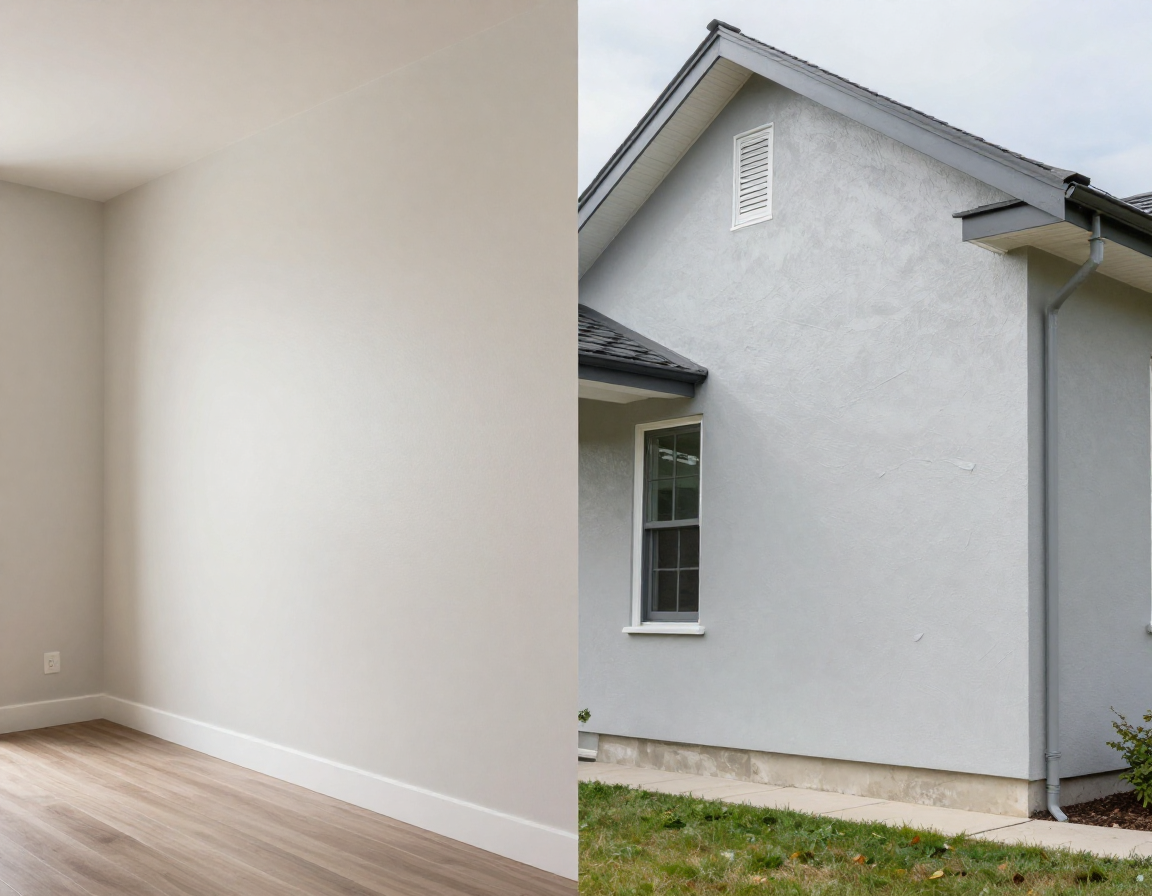
Interior and exterior paints differ mainly in how they handle their environment. Interior paint works in controlled spaces where temperature and moisture stay fairly stable. Exterior paint faces constant challenges from sun, rain, wind, and pollution. Because of this, manufacturers design each type with specific properties to match its role.
Interior paint prioritizes appearance and indoor safety. It focuses on smooth finishes, rich color, and easy cleaning. These paints contain fewer harsh chemicals because they are used in closed spaces. Low odor and low VOC formulas help maintain healthy indoor air quality. VOCs, or volatile organic compounds, are chemicals that release fumes as paint dries, and high levels can cause discomfort or health issues.
Exterior paint, on the other hand, focuses on protection and durability. It must expand and contract with temperature changes without cracking. It also resists moisture, mold, and ultraviolet rays from sunlight. UV rays slowly break down paint films, which causes fading and chalking. Exterior paint includes additives that slow this damage and help the color last longer.
Another major difference lies in flexibility. Exterior surfaces move more due to heat and humidity. Exterior paint stays elastic so it does not peel when walls expand or shrink. Interior paint dries harder and smoother, which makes it easier to clean but less tolerant of movement.
Using interior paint outside often leads to early failure. It cannot handle rain or sunlight and may peel within months. Using exterior paint indoors is also risky because it may release stronger fumes and create an overly rigid finish. Choosing the correct paint type protects your surfaces and saves money over time.
Composition and Ingredients of Interior Paints
Interior paint uses a formula designed for enclosed living and working spaces. Its ingredients focus on safety, appearance, and ease of maintenance. Manufacturers reduce strong solvents and replace them with water-based binders that release fewer fumes during drying.
Low VOC content is one of the most important features of interior paint. This helps protect indoor air quality, especially in homes with children, elderly residents, or people with breathing sensitivities. Modern interior paints dry faster and allow rooms to be used sooner without lingering odors.
The pigments in interior paint focus on color richness and consistency. These pigments create even coverage and help walls look smooth under artificial lighting. Interior paints also include additives that resist stains and allow gentle washing. This is especially useful in high-traffic areas such as hallways, kitchens, and offices.
Another key ingredient is the resin, which binds the paint together and helps it stick to surfaces. Interior paints use resins that create a harder surface once dry. This hardness makes walls more resistant to scuffs and fingerprints. It also supports different sheen levels such as matte, satin, and semi-gloss, each serving a specific purpose.
Interior paint does not need strong weather-fighting chemicals. Because of this, it lasts longer indoors without yellowing or cracking. When applied to properly prepared surfaces, interior paint delivers clean finishes that stay fresh for years with minimal maintenance.
Using interior paint correctly enhances comfort and visual appeal. It supports a healthier environment while giving your space a professional, polished look. This balance of safety and style makes interior paint the right choice for all indoor areas.
Composition and Ingredients of Exterior Paints
Exterior paint is engineered to survive conditions that interior paint never faces. Sunlight, rain, dust, pollution, and temperature changes constantly attack outdoor surfaces. Because of this, exterior paint contains stronger binders and protective additives that help it stay intact for years.
One of the most important ingredients in exterior paint is a flexible resin system. Resin is the material that holds the paint together and allows it to adhere to walls. Exterior resins remain elastic after drying. This elasticity allows the paint film to expand during heat and contract during cooler temperatures without cracking. Without this flexibility, paint would peel quickly on outdoor walls.
Exterior paint also includes UV-resistant additives. Ultraviolet rays from the sun slowly break down paint at a molecular level. This damage causes fading, chalky residue, and surface breakdown. UV blockers slow this process and help the color remain vibrant for a longer time. This is especially important for properties exposed to direct sunlight throughout the day.
Moisture resistance is another critical feature. Exterior paint contains mildewcides and fungicides, which prevent mold and algae growth. These organisms thrive in damp environments and can damage both paint and surfaces underneath. Moisture-resistant ingredients help water bead off instead of soaking into walls, reducing long-term structural damage.
The pigments in exterior paint are also more robust. They are designed to resist fading and chemical reactions caused by pollution and airborne contaminants. While exterior paint may feel thicker and slightly rougher than interior paint, this texture helps it form a stronger protective layer.
Because of these ingredients, exterior paint releases stronger odors during application and drying. This is why it is not suitable for indoor use. When applied correctly, exterior paint forms a durable shield that protects buildings from environmental stress and preserves their appearance for many years.
Durability Factors That Affect Paint Longevity
Paint durability depends on more than just the product used. Several external and surface-related factors determine how long paint will last before it needs refreshing. Understanding these factors helps property owners make smarter decisions and avoid premature repainting.
Climate plays a major role in paint longevity. Areas with intense sunlight, heavy rain, or high humidity place more stress on exterior paint. Constant sun exposure accelerates fading, while frequent rain increases moisture absorption. In coastal or polluted areas, salt and chemicals in the air can slowly erode paint surfaces. Choosing paint formulated for local weather conditions significantly improves durability.
Surface preparation also has a strong impact on how long paint lasts. Paint adheres best to clean, dry, and stable surfaces. Dirt, grease, old peeling paint, or moisture trapped beneath the surface weakens adhesion. Proper preparation includes cleaning, sanding, repairing cracks, and applying primer where needed. Primer creates a bonding layer that helps paint stick evenly and last longer.
The type of surface matters as well. Wood, concrete, plaster, and metal all react differently to paint. Wood expands and contracts more than masonry, which requires flexible paint. Concrete absorbs moisture, which means it needs breathable coatings that allow vapor to escape. Using paint designed for the specific surface prevents blistering and peeling.
Application technique also affects durability. Even the best paint fails if applied too thinly or under poor conditions. Painting during extreme heat, rain, or high humidity can interfere with drying and curing. Proper drying allows paint to harden fully and form a strong protective film.
When quality materials, correct preparation, and proper application work together, paint lasts longer and performs better. This approach reduces maintenance costs and keeps interiors and exteriors looking fresh for years
Choosing the Right Paint for Different Areas of Your Property
Every part of a property faces different conditions, which means one type of paint cannot serve all areas equally well. Choosing the right paint for each space improves appearance, durability, and long-term value. When paint matches the environment, it protects surfaces and reduces maintenance needs.
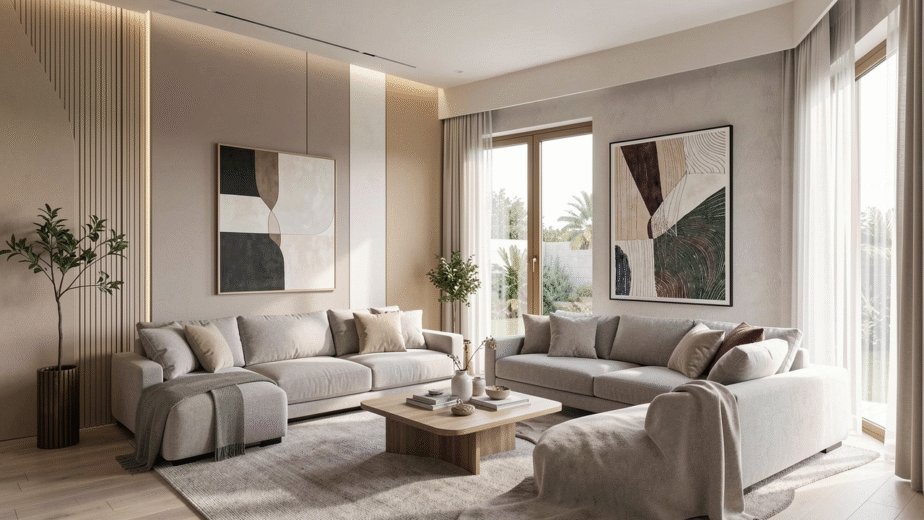
Indoor living spaces benefit from paints that focus on comfort and easy care. Living rooms and bedrooms work best with low VOC interior paint that provides smooth coverage and rich color. These areas experience low moisture and minimal wear, so a balanced finish such as matte or satin works well. Matte finishes hide small wall flaws, while satin finishes offer gentle washability without strong shine.
Kitchens and bathrooms need stronger interior paints because of higher humidity and frequent cleaning. Moisture-resistant interior paint prevents mold growth and peeling. These paints include additives that allow walls to be wiped without damaging the surface. Semi-gloss finishes are often ideal in these areas because they resist water and stains more effectively.
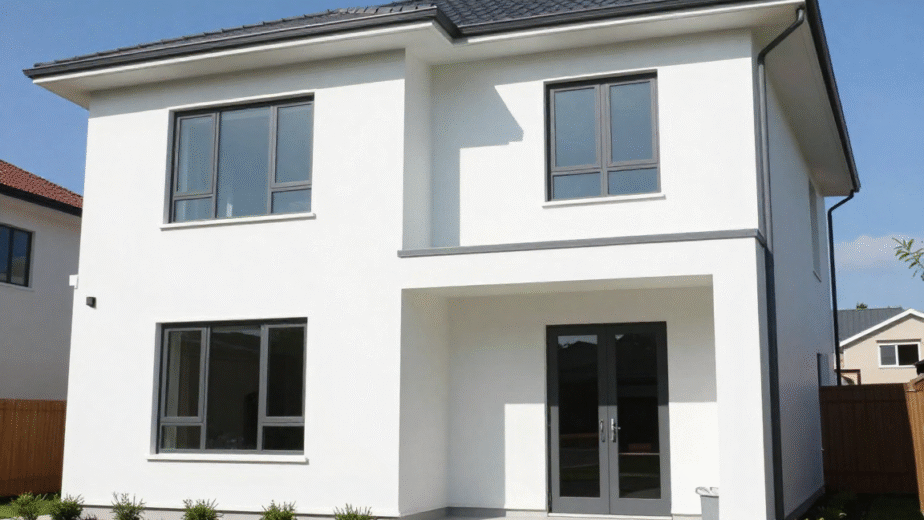
Exterior walls, facades, and boundary walls require paint built for weather resistance. Exterior paint protects surfaces from sunlight, rain, and temperature changes. Buildings exposed to strong sun benefit from UV-resistant paint that slows fading. Areas with heavy rainfall need paint that repels moisture and prevents algae buildup. Using exterior paint ensures walls stay protected even under harsh conditions.
Doors, windows, and metal railings also require special attention. These surfaces experience constant movement and exposure. Exterior enamel paint provides durability and resists rust when applied over proper primer. Choosing the correct paint for each area prevents early failure and keeps your property looking well-maintained.
Cost, Maintenance, and Long-Term Value Comparison
Cost often influences paint choices, but focusing only on price can lead to higher expenses later. Interior and exterior paints differ in cost because of their formulation and performance requirements. Understanding this difference helps you invest wisely.
Interior paint usually costs less than exterior paint. It uses fewer protective additives and does not need to resist weather or UV exposure. Maintenance costs for interior paint also remain low because indoor conditions stay stable. Occasional cleaning and minor touch-ups are usually enough to maintain appearance for years.
Exterior paint costs more due to its advanced ingredients. UV blockers, moisture-resistant additives, and flexible resins increase production costs. However, this higher upfront cost delivers better long-term value. Quality exterior paint lasts longer, which reduces how often repainting is needed. This saves labor and material costs over time.
Maintenance requirements also differ. Interior paint may need refreshing due to style changes rather than damage. Exterior paint faces natural wear and requires periodic inspection. Small cracks or peeling areas should be repaired early to prevent larger issues. Regular maintenance extends paint life and protects building materials underneath.
From a renovation perspective, choosing the correct paint type improves property value. Well-maintained interiors create a clean and welcoming environment. Strong exterior paint enhances curb appeal and protects structural surfaces. When paint performs as intended, it supports both aesthetics and durability.
Spending slightly more on the right paint reduces long-term expenses. It minimizes repairs, protects surfaces, and ensures consistent visual quality across your property.
Conclusion
Choosing between interior and exterior paint is a decision that directly affects durability, safety, and appearance. Each paint type is designed for a specific environment, and using it correctly ensures long-lasting results. Interior paint supports comfort, clean finishes, and healthy indoor air, while exterior paint protects buildings from weather, sunlight, and moisture damage.
Understanding paint composition helps you avoid common mistakes such as peeling, fading, or mold growth. Proper surface preparation, correct application, and choosing paint suited to each area of your property all work together to improve performance. When paint matches its environment, it lasts longer and requires less maintenance.
For renovation and painting projects, the right paint choice saves money over time and protects your investment. Whether refreshing indoor spaces or upgrading exterior surfaces, selecting the correct paint ensures strong protection and professional results. A thoughtful approach to paint selection keeps your property looking fresh, durable, and well-maintained for years.