Introduction
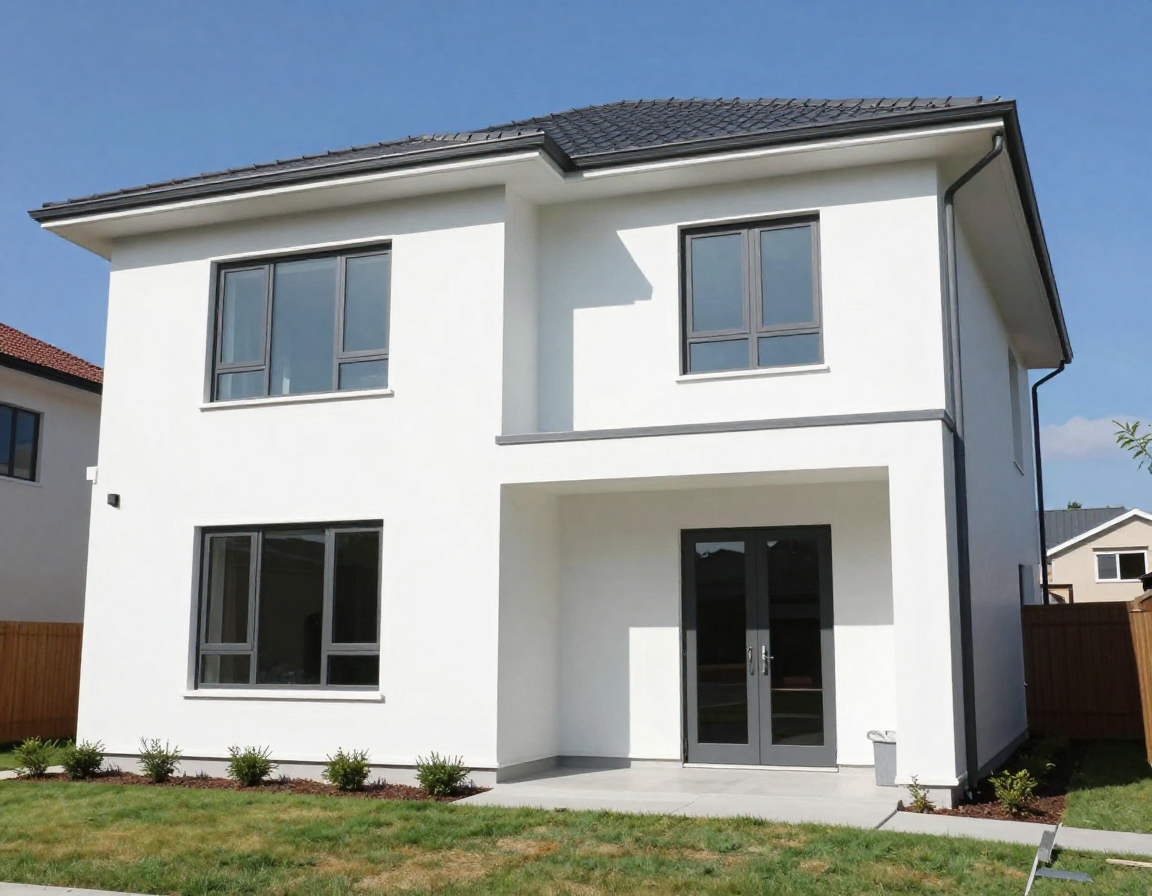
Exterior house painting does more than improve appearance. It protects your home from harsh weather, moisture, and daily environmental exposure. A strong paint system acts as a shield that prevents long-term structural damage. When done correctly, exterior painting becomes a vital part of home maintenance.
Curb appeal also plays a major role in property value. The exterior is the first thing people notice, and fresh paint instantly improves visual impact. A well-painted home looks cared for, modern, and inviting. This impression matters for homeowners, guests, and potential buyers alike.
This guide explains how exterior house painting protects your home while boosting curb appeal. You will learn why exterior paint matters, how to choose the right colors and materials, and how to avoid costly mistakes. These insights help you plan an exterior painting project that delivers lasting results.
Why Exterior House Painting Matters
Exterior walls face constant exposure to sun, rain, wind, and temperature changes. Over time, these elements break down unprotected surfaces. Quality exterior paint creates a barrier that resists moisture penetration and reduces surface erosion. This protection helps prevent cracks, mold growth, and wood rot.
Sun exposure causes fading and surface damage if paint lacks UV resistance. Modern exterior paints include additives that slow color breakdown. This keeps your home looking fresh for longer and reduces the need for frequent repainting. Protection against heat also helps walls maintain stable interior temperatures.
Exterior painting also reveals early signs of damage. During preparation, painters identify cracks, peeling, and weak areas. Addressing these issues early prevents more expensive repairs later. Regular painting cycles become part of proactive home care rather than a cosmetic upgrade.
First impressions matter, especially in residential communities. A freshly painted exterior signals pride of ownership and attention to detail. Homes with clean, well-maintained paint stand out positively in any neighborhood. This visual impact directly supports higher property value and faster resale potential.
Exterior painting protects both structure and investment. It combines functional defense with visual enhancement. When planned and executed properly, it becomes one of the most effective ways to maintain and improve your home.
Choosing the Right Exterior Paint Colors
Exterior color selection shapes how your home is perceived. Colors should complement the architectural style and surrounding environment. Traditional homes often suit neutral or classic shades, while modern designs allow bolder contrasts. Matching color choice with structure creates a balanced and attractive appearance.
Natural surroundings influence exterior color success. Homes near greenery benefit from warm neutrals and earthy tones. Coastal or open areas suit lighter shades that reflect sunlight. Observing nearby homes also helps maintain harmony within the neighborhood while allowing your property to stand out tastefully.
Timeless colors offer long-term appeal. Shades like off-white, beige, soft grey, and muted blue remain popular because they age well. These colors adapt easily to landscaping changes and exterior upgrades. Trend-based colors may look stylish now but often date quickly.
Accent colors enhance architectural details. Trim, doors, and shutters provide opportunities for subtle contrast. Darker accents frame the home and add depth without overwhelming the main color. This approach boosts curb appeal while maintaining elegance.
Testing colors in real conditions remains essential. Exterior lighting changes throughout the day, which affects color appearance. Sampling paint on small wall sections shows how shades behave under sunlight and shade. This step ensures confident color decisions before full application.
Selecting Durable Exterior Paints and Finishes
Durability defines the success of any exterior painting project. Exterior surfaces face constant exposure to sun, moisture, dust, and temperature changes. High-quality exterior paints include protective properties that resist cracking, peeling, and fading. Choosing the right product extends the life of the paint and protects the structure underneath.
Weather resistance should guide paint selection. Paint designed for exterior use contains binders that expand and contract with temperature changes. This flexibility prevents surface cracks and flaking. Moisture-resistant formulas block water penetration, which helps prevent mold and surface damage.
UV protection also plays a critical role. Sunlight breaks down weak paint quickly, causing discoloration and chalking. UV-resistant paint maintains color strength and surface integrity for longer periods. This feature is especially important in areas with intense sunlight.
Finish selection affects both appearance and maintenance. Flat finishes hide surface imperfections but collect dirt more easily. Satin and semi-gloss finishes resist dirt and clean more easily. These finishes also highlight architectural details and provide a fresh look. Selecting the right finish balances aesthetics with long-term care.
Using durable exterior paint reduces repainting frequency and maintenance costs. Investing in quality materials upfront delivers better protection and stronger curb appeal over time.
Proper Preparation Before Exterior Painting
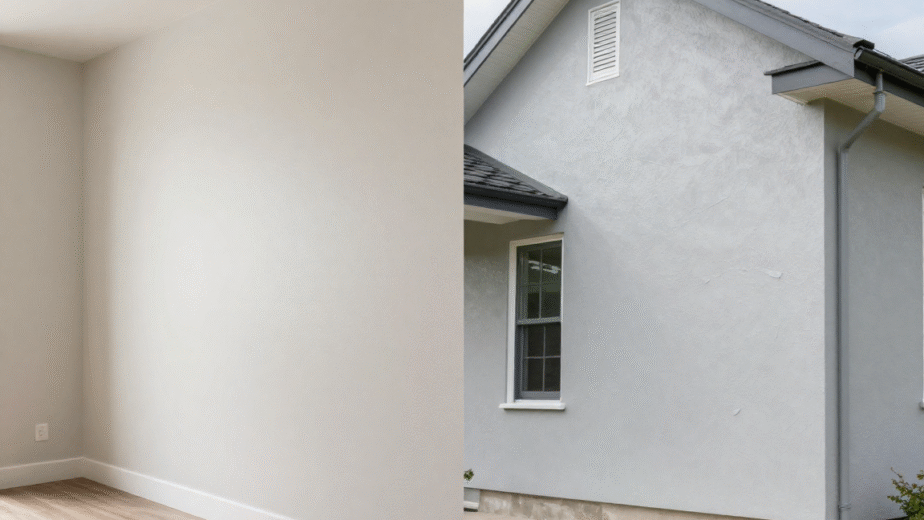
Preparation determines how well exterior paint performs. Skipping this step leads to peeling, uneven coverage, and short paint life. Proper preparation ensures that paint bonds firmly to the surface and withstands environmental stress.
Surface cleaning removes dirt, mold, and old residue. Exterior walls often collect pollutants that prevent paint adhesion. Washing the surface creates a clean base for painting. Allowing walls to dry completely prevents trapped moisture under the paint.
Repairing damaged areas comes next. Cracks, gaps, and peeling paint weaken the surface. Filling and sanding these areas creates a smooth and stable foundation. Addressing these issues prevents further deterioration and improves final appearance.
Priming strengthens paint adhesion and seals repairs. Primer blocks stains and creates uniform absorption across the surface. This step ensures consistent color and longer-lasting results. Exterior primer also adds an extra layer of protection against moisture.
Proper preparation protects your investment. It reduces future repairs and keeps exterior paint looking fresh for years. A careful approach at this stage leads to professional-quality results.
Common Exterior Painting Mistakes to Avoid
One common mistake is choosing paint based only on price. Low-cost exterior paints often lack durability and weather resistance. This leads to early failure and higher repainting costs. Quality should always guide paint selection.
Ignoring weather conditions during application causes serious issues. Painting during high humidity or extreme heat prevents proper curing. This mistake leads to blistering and peeling. Following recommended weather guidelines ensures strong adhesion.
Poor surface preparation remains a frequent problem. Painting over dirty or damaged surfaces shortens paint life. This mistake undermines even the best paint products. Proper preparation remains non-negotiable for lasting results.
Skipping regular maintenance reduces paint performance. Small issues like cracks or fading grow into major problems if ignored. Periodic inspections and touch-ups extend the life of exterior paint. Maintenance protects both appearance and structure.
Avoiding these mistakes saves time and money. A careful, informed approach ensures exterior painting delivers protection and curb appeal.
Conclusion
Exterior house painting protects your home while enhancing its visual appeal. Durable paints shield surfaces from weather and environmental damage. Thoughtful color selection improves curb appeal and supports property value. Proper preparation ensures long-lasting results.
Avoiding common mistakes keeps exterior paint performing at its best. Regular maintenance preserves both protection and appearance. Exterior painting remains one of the most effective ways to care for your home.
With professional planning and execution, exterior painting becomes a long-term investment. It safeguards your home and creates a strong, welcoming first impression.