Introduction
Painting an apartment may look simple, but smart choices make a huge difference in the final result. The right colors can make rooms feel larger, brighter, and more comfortable. The wrong choices can make even a well-designed space feel cramped or unfinished. Paint finishes also matter because they affect durability, cleaning, and how light moves across the walls.
Many apartment owners and tenants rush into painting without a clear plan. This often leads to visible flaws, wasted money, and results that do not last. A professional approach helps avoid these issues and delivers a clean, polished look that adds real value. Understanding colors, finishes, and common mistakes gives you control over the outcome before the first brush touches the wall.
This guide explains apartment painting in a clear and practical way. You will learn how to choose colors that fit your space, select finishes that last, and avoid mistakes that professionals see every day. Whether you plan a full renovation or a simple refresh, these tips help you achieve better results with confidence.
Choosing the Right Colors for Your Apartment
Color plays a powerful role in how an apartment feels the moment someone walks inside. Light colors reflect more light, which makes small rooms feel open and airy. Dark colors absorb light, which can create a cozy feel but may also make tight spaces look smaller. Choosing the right balance helps your apartment feel comfortable and visually balanced.
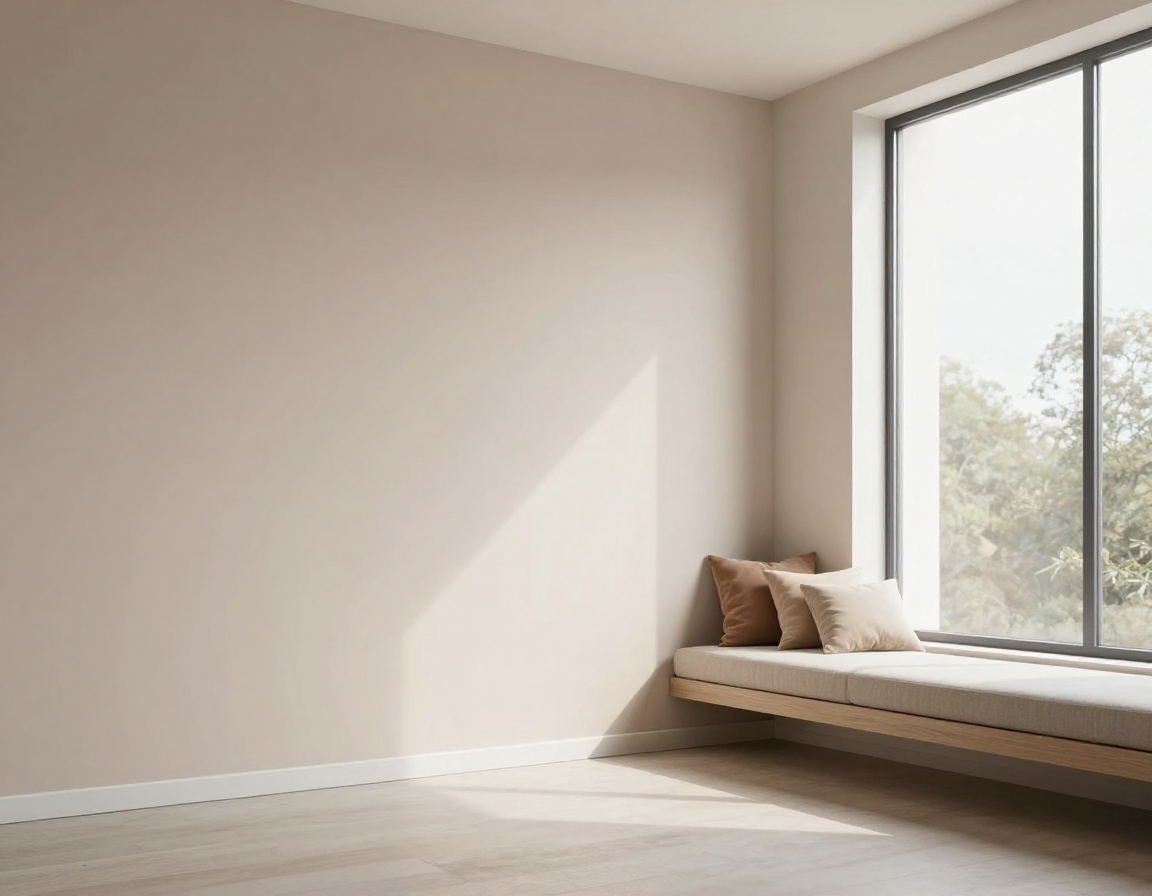
Natural light should guide your color decisions. Apartments with large windows can handle slightly deeper shades without feeling heavy. Spaces with limited sunlight benefit from soft whites, warm neutrals, and pale pastels. These colors bounce light around the room and reduce harsh shadows. Always test paint samples on the wall and observe them during different times of the day.
Mood also matters when selecting colors. Cool tones like light blue and soft green create a calm and relaxed feel, which works well in bedrooms and living areas. Warm tones like beige, cream, and light gray add warmth and work well throughout the apartment. Bold colors can work as accent walls, but using them on every wall often feels overwhelming in apartments.
Trends influence color choices, but timeless shades offer better long-term value. Neutral palettes remain popular because they suit many furniture styles and appeal to future buyers or tenants. Modern apartments often use off-white walls with subtle undertones that prevent the space from looking flat. This approach keeps the apartment stylish without feeling risky.
Consistency across rooms also improves flow. Using related shades helps the apartment feel connected rather than broken into separate zones. Slight variations in tone keep rooms interesting while maintaining harmony. A well-planned color scheme turns painting from a simple task into a design upgrade.
Selecting the Best Paint Finishes
Paint finish affects more than appearance. It controls how the wall feels, how it reflects light, and how well it stands up to daily wear. Choosing the wrong finish can lead to visible marks, fast damage, and difficult cleaning. Understanding finishes helps you match each room with the right level of durability.
Matte finishes create a soft, smooth look that hides surface imperfections well. This finish works best in low-traffic areas such as bedrooms or formal living spaces. Matte paint absorbs light, which reduces glare but also makes stains harder to clean. Frequent touching can leave marks that are difficult to remove.
Eggshell and satin finishes offer a balance between appearance and durability. They reflect a small amount of light and feel smoother than matte paint. These finishes clean more easily and resist minor stains. Many apartments use eggshell or satin for living rooms and hallways because they handle daily use without looking shiny.
Gloss and semi-gloss finishes reflect more light and provide strong protection. These finishes resist moisture and clean easily, which makes them ideal for kitchens, bathrooms, doors, and trims. Gloss paint highlights surface flaws, so walls must be well prepared before application. Proper sanding and patching become essential when using these finishes.
Room function should guide finish selection. High-traffic areas need durable finishes that withstand cleaning. Moist areas require paint that resists humidity and mold. Matching the finish to the room reduces maintenance and keeps walls looking fresh for years. Professional painters always consider finish choice as carefully as color selection because it directly affects long-term results.
Preparing Your Apartment Before Painting
Preparation determines the quality and lifespan of any apartment painting project. Even the best paint will fail if the surface underneath is damaged or dirty. Professional painters spend a large part of their time preparing walls because this step prevents peeling, uneven texture, and visible flaws later.
Start with a full surface inspection. Look for cracks, nail holes, water stains, and peeling paint. Small damages may seem minor, but paint will highlight them once it dries. Filling holes and cracks with proper filler creates a smooth surface. Sanding the repaired areas blends them into the wall so the final coat looks even and clean.
Cleaning the walls is just as important. Dust, grease, and residue prevent paint from bonding properly. Kitchens and high-touch areas often collect oils that stay invisible until paint starts to peel. Washing the walls with mild detergent and allowing them to dry fully ensures strong paint adhesion. This step reduces early wear and patchy results.
Priming prepares the wall to accept new paint. Primer seals repairs, blocks stains, and improves color consistency. Dark walls or uneven surfaces need primer to prevent old colors from showing through. Skipping primer often leads to using extra paint coats, which increases cost and time without improving quality.
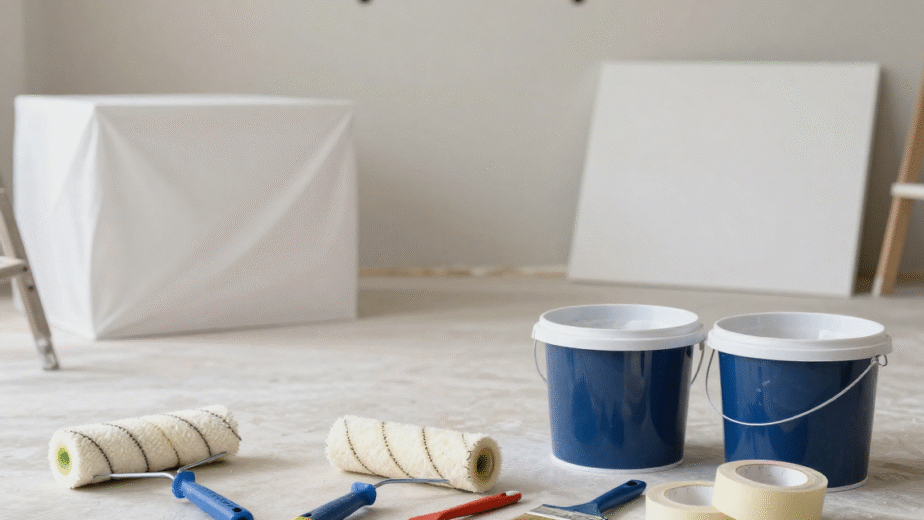
Protecting your apartment during preparation also matters. Covering floors, furniture, and fixtures prevents damage and speeds up cleanup. Removing outlet covers and light fixtures creates clean edges and a professional look. Proper preparation turns painting into a controlled process rather than a messy task with unpredictable results.
Common Apartment Painting Mistakes to Avoid
One of the most common mistakes is choosing paint based only on color samples. Small swatches look different on large walls under real lighting. Testing larger areas on the wall shows how the color behaves throughout the day. This simple step prevents regret after the entire apartment is painted.
Another frequent mistake involves using the wrong tools or techniques. Low-quality rollers and brushes leave streaks and uneven coverage. Applying thick coats to save time often causes drips and slow drying. Thin, even coats applied with proper tools produce smoother and longer-lasting results.
Ignoring drying time leads to visible damage. Painting over wet layers traps moisture and weakens the finish. This mistake causes peeling and patchiness within months. Following the manufacturer’s drying guidelines allows the paint to cure properly and reach full strength.
Skipping professional help for complex areas creates uneven results. High ceilings, tight corners, and textured walls require experience. Many apartment owners underestimate these challenges and end up with inconsistent finishes. Hiring professionals for difficult areas ensures uniform coverage and clean lines.
Rushing the project remains the biggest mistake. Painting feels like a quick upgrade, but patience improves quality. Allowing time for preparation, drying, and inspection prevents costly corrections. Avoiding these common mistakes saves money and delivers a result that looks polished and professional.
Interior vs Exterior Apartment Painting Considerations
Interior and exterior apartment painting serve different purposes and face different challenges. Interior paint focuses on comfort, appearance, and ease of cleaning. Exterior paint protects the building from heat, moisture, and environmental damage. Understanding these differences helps you select the right products and approach.
Interior paints prioritize low odor, smooth finishes, and durability against daily use. Washable paints work best for living areas, kitchens, and hallways. Light reflection matters indoors because it affects how rooms feel. Choosing the correct interior paint improves comfort and reduces maintenance.
Exterior paints must handle extreme conditions. Sun exposure, humidity, and temperature changes break down poor-quality paint quickly. Exterior paint includes protective additives that resist fading and cracking. Using interior paint outdoors leads to fast failure and visible damage.
Building regulations also influence apartment painting. Many buildings control exterior colors to maintain a consistent appearance. Safety rules apply when working on higher floors or shared spaces. Following these rules prevents fines and delays.
Professional painters understand climate impact and material selection. They choose paints designed for specific conditions and apply them using proper methods. This expertise ensures both interior and exterior painting remain attractive and protective over time.
Conclusion
Apartment painting requires more than choosing a color and picking up a brush. Smart color selection improves space and mood. The right paint finish protects walls and simplifies cleaning. Proper preparation prevents early damage and creates a smooth, professional look.
Avoiding common mistakes saves time and money while improving results. Understanding the difference between interior and exterior painting ensures durability and compliance. A well-planned painting project enhances comfort, value, and long-term satisfaction.
Professional apartment painting delivers consistent quality and lasting results. With the right approach, painting becomes a powerful upgrade that transforms your apartment into a polished and welcoming space.